_March_Field_Air_Museum_(8155348337).jpg)
Field note 01 · aviation and evidence
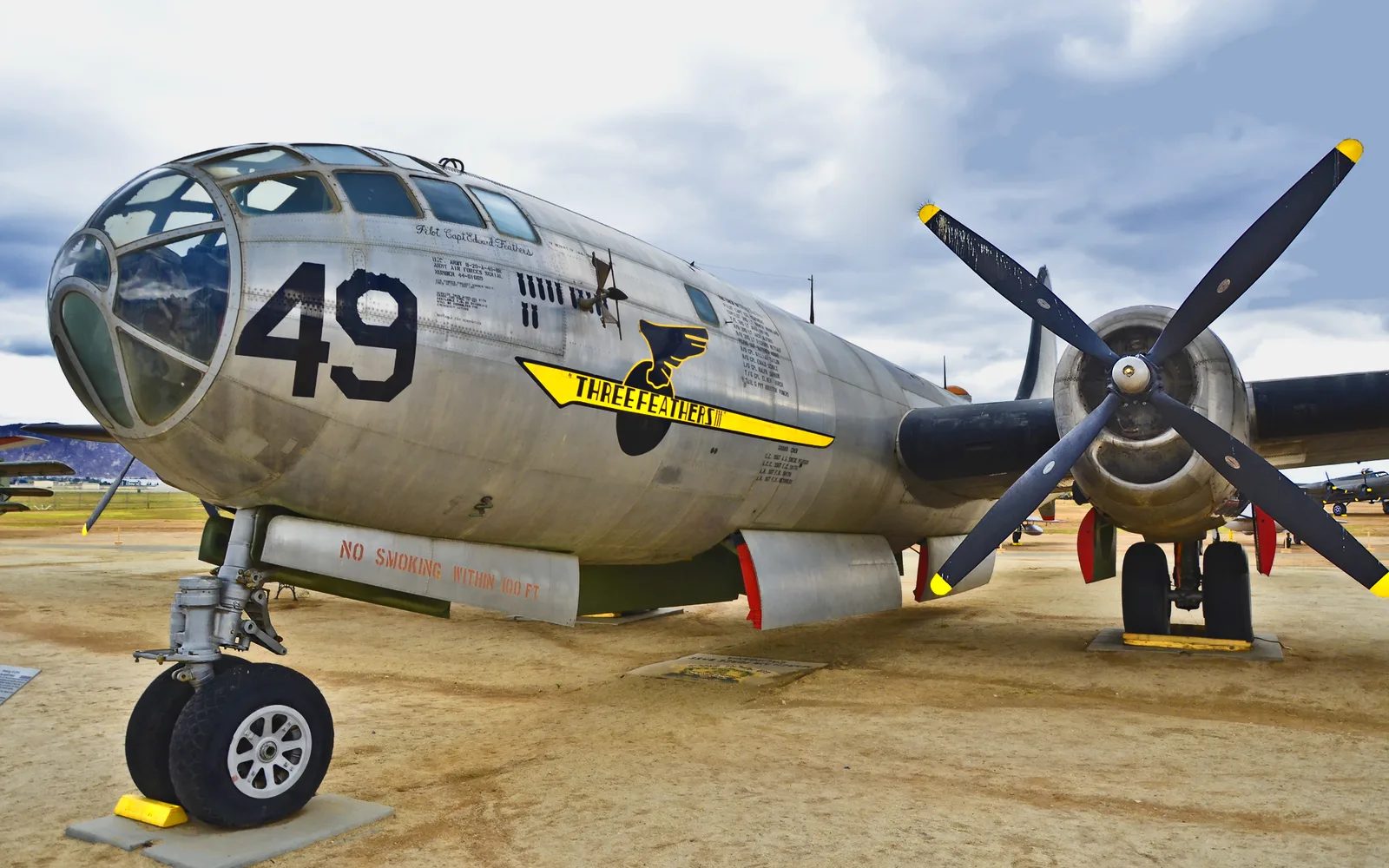
March Field: a long record beside the valley
Moreno Valley’s official history traces the neighboring airfield to 1918, when the Army established Alessandro Flying Training Field and soon renamed it March Field. The city describes later training, wartime, and base-development chapters that made aviation a durable part of the area’s public story. March Field Air Museum now preserves aircraft, exhibits, and records connected with that history. The B-29 shown here is one museum display, photographed in an editorial setting; it does not represent a current flight operation, military endorsement, or condition at any nearby property.
Aviation history is built from dates, serial numbers, maintenance logs, mission records, and careful distinctions between what happened and what is proposed. That habit of documentation is useful far beyond an airfield. A household policy also begins with specific facts: who owns and occupies a property, which drivers regularly use a vehicle, what changed during the term, and which limits and endorsements were actually issued. A familiar name or image cannot answer those questions, and proximity to a landmark never determines an address-level insurance result.
Keep the current file separate from the historical one
Start a policy review with the latest declarations and every endorsement, then compare them with present conditions. Record renovations, roof and system updates, new vehicles, household drivers, valuable purchases, and changes in occupancy or paid activity. Retain permits, invoices, photographs, registrations, and correspondence in more than one location. If an estimate or application describes an older condition, ask how to correct it. The goal is not to predict a claim, but to make the record accurate enough for an informed conversation.
For residential coverage, ask how the dwelling estimate was developed and whether it includes debris removal, local labor, code upgrades, and attached or detached features. For auto coverage, confirm ownership, garaging, mileage, regular operators, liens, and use. For life insurance, review ownership and beneficiaries after family, employment, or financial changes. Each contract uses different definitions, and one policy cannot be assumed to repair a gap in another.
Read the instrument, not the silhouette
An aircraft silhouette can identify a broad type while leaving its individual record unknown. Insurance labels work the same way. “Homeowners,” “comprehensive,” or “life” names a category, not every term inside it. Ask for definitions, exclusions, conditions, settlement provisions, and dollar illustrations. Compare proposals on identical assumptions and confirm that requested changes appear in the issued documents. Price, eligibility, availability, and claim outcomes depend on verified facts and insurer rules.
March Field’s documented chronology shows why dated records matter: places and responsibilities change while names endure. The practical insurance connection is disciplined recordkeeping, not a claim about local risk. The California Department of Insurance publishes consumer guides for reviewing residential, auto, and life contracts. Those guides can frame questions, but the issued policies and endorsements control.