.jpg)
Field note 03 · growth and handoffs
A growing valley and the facts that move with it
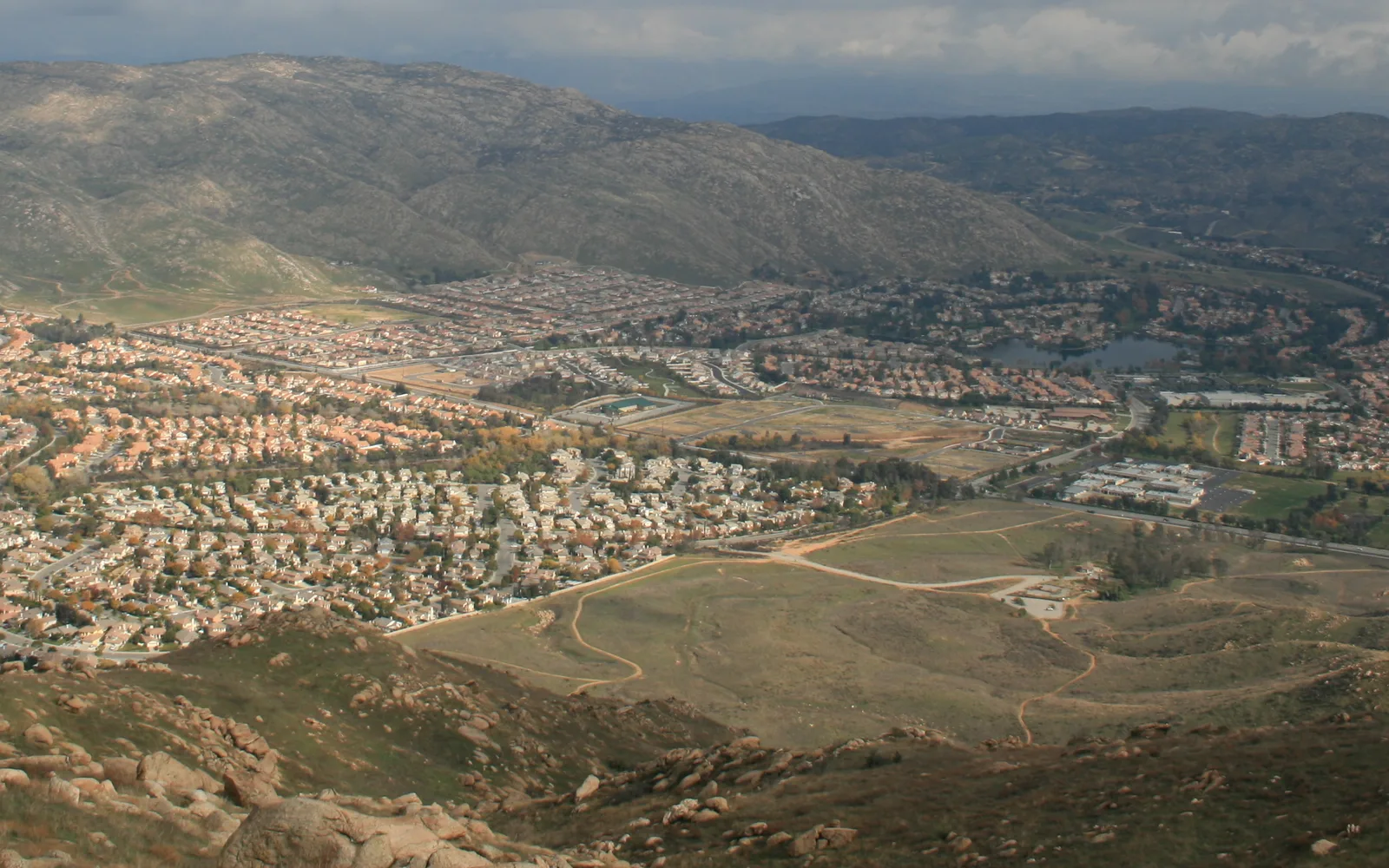
The City of Moreno Valley records incorporation in 1984 after a period of rapid residential growth. Its economic-development materials now describe distinct employment areas, including March Business Center, Centerpointe, and the World Logistics Center. Those public descriptions document planning and business activity at a city scale. They do not say what happens at a specific household, guarantee future development, or establish insurance eligibility. The neighborhood panorama here is similarly limited: it is one dated view across homes and foothills, not an assessment of any address.
Growth creates handoffs. A family moves, a vehicle changes garaging, a new driver joins the household, a home becomes a rental, or paid work begins in a spare room. Each change may cross a policy boundary. The practical task is to identify the new fact, date it, and ask which contract needs review. Letting an old assumption travel forward can produce a declarations page that no longer describes the household accurately.
Map responsibilities before comparing proposals
List people, property, vehicles, and activities first. Note ownership, regular use, occupancy, liens, leases, and business connections. Then place each item beside the policy intended to address it. A landlord form generally concerns the owner’s building and premises interests, while tenants need their own protection for belongings, temporary living expense, and liability. Personal auto coverage may not fit every commercial or delivery use. A personal umbrella typically depends on scheduled underlying policies and required limits.
Ask every proposal to use the same facts. Differences in limits, deductibles, valuation, exclusions, and optional endorsements can otherwise hide behind a price comparison. Record the answers and verify selected terms when the policy arrives. If ownership uses a trust or entity, if a property manager is hired, or if a vehicle is titled differently from the expected insured, disclose that structure rather than assuming it is immaterial.
Keep a change log for the household
A short dated log can capture moves, renovations, purchases, leases, drivers, work patterns, beneficiaries, and notices. Attach supporting documents without collecting sensitive identifiers in the log. Review it before renewal and after a major event. For claims, preserve photographs, receipts, communications, and reasonable emergency expenses, and follow the insurer’s reporting instructions. Do not discard damaged property before asking what inspection or documentation is required unless safety demands it.
Moreno Valley’s public record shows a community changing in stages. The insurance connection is not that growth predicts a loss; it is that changing facts deserve orderly handoffs. Current California Department of Insurance guides explain the questions consumers can ask across home, auto, life, and landlord-related coverage. Availability and acceptance cannot be promised. The issued policies and endorsements control.